Performance
Mobile Game Optimization Without Losing the Visual Identity
Plan for sustained performance, memory limits, and readable visuals across real devices.
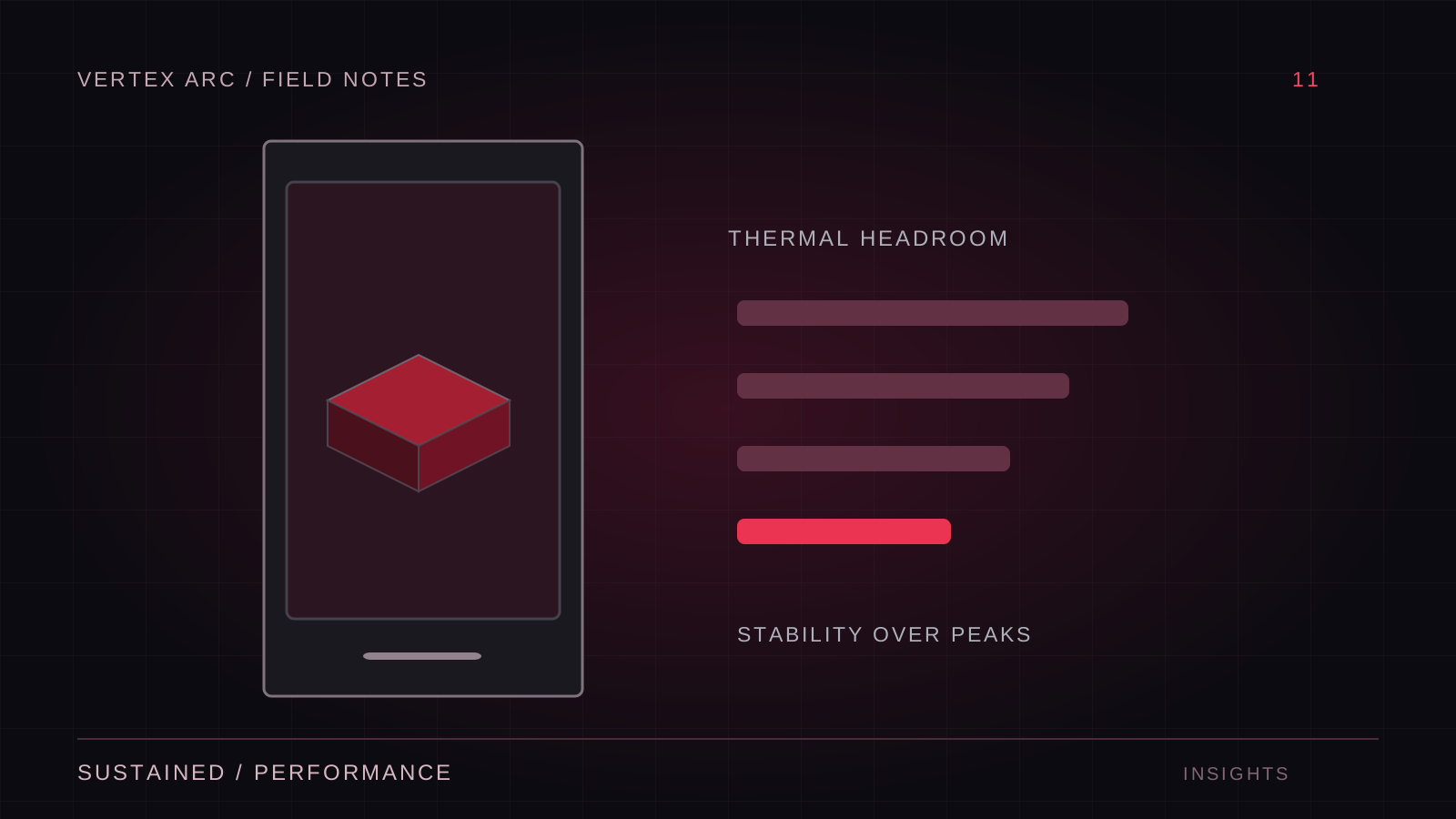
Mobile optimization is a sustained-use problem. A game can look smooth immediately after launch and become uncomfortable once the device warms up, background activity changes, or a demanding encounter begins. Test long enough to understand the experience a player actually receives, rather than judging only the first minute.
Start with a realistic support range. “Mobile” includes very different graphics capabilities, memory budgets, screen shapes, and operating conditions. Define representative devices and prioritize the minimum supported experience. A flagship phone is useful for exploration, but it cannot validate the lower end of the audience.
Set a stable target
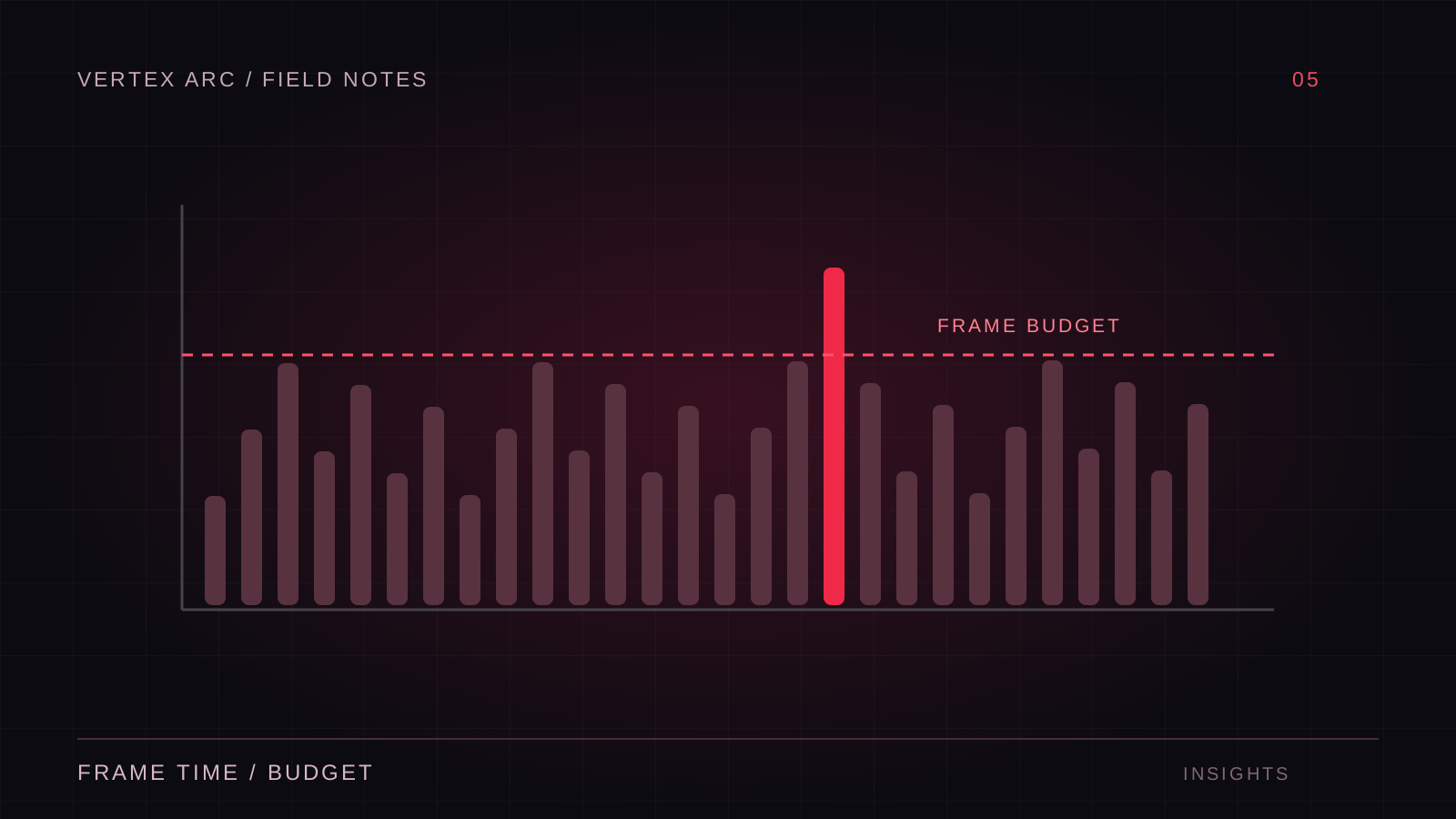
Choose a frame-rate goal that the game can sustain and that supports its interaction model. Consistency matters: rapid swings can feel worse than a lower, stable target. Measure CPU and GPU frame times separately, and check whether the device changes behavior during a longer session.
Keep the test conditions documented. Brightness, charging, ambient temperature, and background work can affect results. You do not need a laboratory to improve discipline, but you do need comparable runs before claiming an optimization helped. Record the build and settings with each capture.
Spend rendering work on readable features
Small screens change what visual detail contributes. Fine surface noise may disappear while silhouettes, contrast, and clear effects remain important. Simplify assets in ways that preserve those priorities. Review changes at actual gameplay scale instead of relying on enlarged screenshots.
Transparent layers and full-screen effects can be costly when stacked. Inspect busy moments, not just empty scenes. Consider particle coverage, shadow distance, material complexity, and resolution as separate controls. A quality tier should be a coherent presentation, not a random set of disabled features.
Manage asset lifetime
Textures, audio, and temporary scene overlap can push memory beyond a comfortable level. Match asset resolution to how it is used and choose platform-appropriate import settings. Repeated scene changes are a useful stress test because they reveal retained assets and peak loading costs.
Pooling repeated objects can reduce some runtime churn, but an oversized pool can retain resources that are rarely needed. Size pools from observed usage and define what happens when demand exceeds the pool. Every retained object has a cost even when it is inactive.
Include the interface in optimization
Menus and HUDs can contribute substantial work. Avoid rebuilding UI unnecessarily, and inspect expensive effects over large screen areas. Keep text legible at the smallest supported size. Performance improvements that make controls difficult to read or touch are not successful tradeoffs.
Test interruptions and recovery
Phones receive calls, lose focus, change orientation, and suspend applications. Test pause and resume, audio interruptions, and a return after an extended background period. Save important progress at sensible boundaries rather than depending entirely on a clean exit.
- Test a demanding encounter after a sustained session.
- Repeat level transitions while watching memory.
- Compare quality tiers on their intended device class.
- Check touch targets around notches and safe areas.
- Verify readable effects when resolution is reduced.
Make scalability intentional
Define which features scale first and which remain essential. Keep core feedback, readable enemies, and reliable input protected. Document the rationale so later content follows the same rules. A consistent art direction can survive substantial technical simplification when its visual priorities are clear.
The goal is a game that remains pleasant to play after the novelty of the opening scene. Measure sustained behavior, make targeted changes, and evaluate the complete experience. Mobile quality is the combination of appearance, responsiveness, readability, and reliability—not a screenshot captured at the highest setting.